
Breastfeeding is as old as humanity itself, yet many new mums still feel unsure about whether a breastfeeding cover is right for them. That uncertainty is completely normal. This guide breaks down the practical reasons to use one, what to look for, and how to choose a cover that works hard for both you and your baby.
How Often Will You Need to Feed in Public?
Before deciding whether a breastfeeding cover is worth it, it helps to understand just how frequently newborns feed. Feeding schedules vary between babies, but general patterns look something like this:
- Newborns typically feed every two to three hours
- By two months, most babies feed every three to four hours
- By six months, feeds often stretch to every four to five hours
That frequency means if you leave the house at all, you will almost certainly need to feed in public. Whether that happens at a cafe, a shopping centre, a park or a friend's house, having a plan in place makes the whole experience less stressful.
For more detail on feeding frequency and hunger cues, Raising Children Network has a clear guide on breastfeeding frequency for newborns and older babies.
Why Many Mums Choose a Breastfeeding Cover
Breastfeeding takes practice. Natural instincts exist for both mums and babies, but it is not always smooth from day one. Difficulty latching, waiting for supply to establish, and learning to read hunger cues all take time and attention.
During a feed, a bare breast is simply part of the process. Getting a good latch, watching for swallowing, checking whether your baby has fallen asleep or finished feeding all require you to be focused on your baby, not on who might be watching. A breastfeeding cover gives many mums the privacy they need to concentrate fully on the feed without feeling exposed.
It is worth being clear here. You are never required to cover up. In every Australian state and territory, breastfeeding in public is protected under anti-discrimination law. No one can lawfully ask you to leave, move, or cover up while feeding your baby. A breastfeeding cover is a personal choice, not an obligation.
That said, many mums find a cover genuinely useful, not because of outside pressure, but because it helps them feel more at ease. Feeling comfortable directly affects how relaxed you are during a feed, and that matters for your baby too.
The Practical Benefits of a Breastfeeding Cover for Your Baby
A good breastfeeding cover is not only about privacy for mum. It can actively support a better feed for your baby as well.
- Reduces visual distractions. Babies, especially from around three months, become very easily distracted by movement, faces and noise. A cover creates a quieter, lower-stimulus environment so your baby stays focused on feeding and gets a full meal.
- Offers sun protection. A lightweight, breathable cover shields your baby from UV exposure during outdoor feeds without overheating them.
- Mutes ambient noise. Busy environments can startle or distract a feeding baby. A cover softens surrounding sounds and helps maintain a calm feed.
- Provides a familiar, comforting environment. Once your baby associates the cover with feeding time, it can become a useful cue that helps them settle quickly at the breast.
What to Look For When Choosing a Breastfeeding Cover
Not all breastfeeding covers are equal. Choosing the wrong one can make feeds harder, not easier. Here is what actually matters.
Breathable fabric is non-negotiable
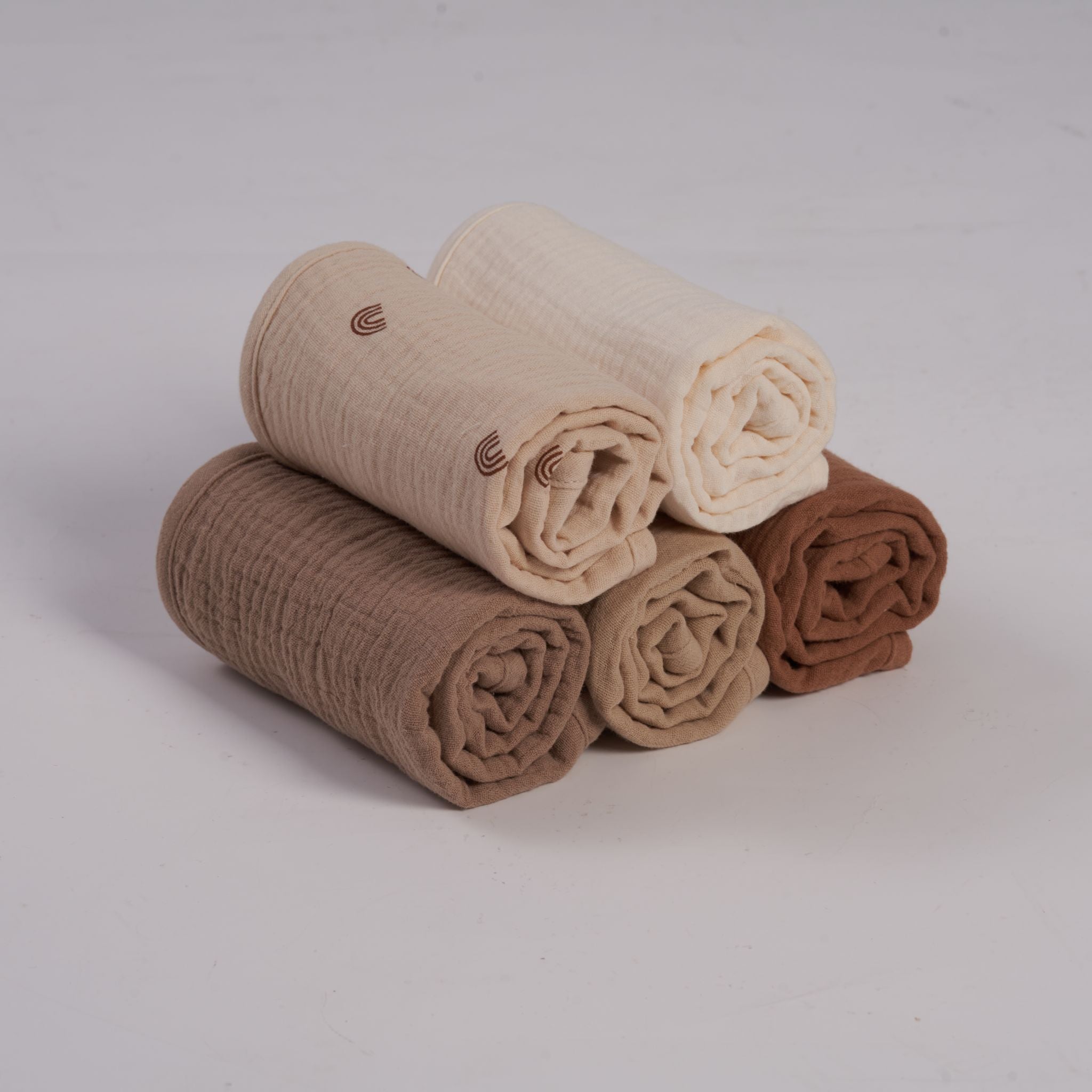
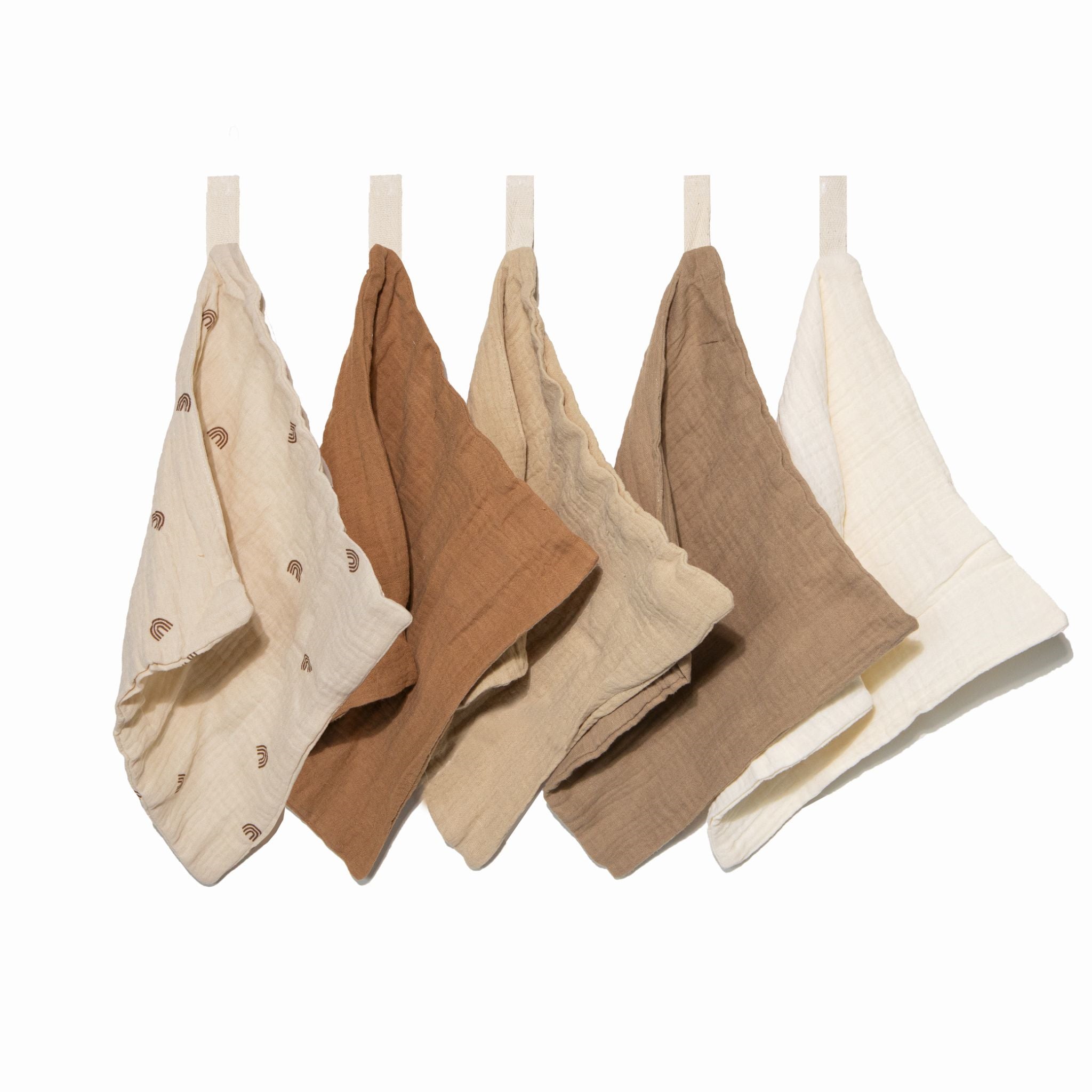
A cover that traps heat is uncomfortable for your baby and potentially unsafe. Look for covers made from lightweight, breathable fabrics. Organic cotton is an excellent choice because it is soft against your baby's skin, allows airflow, and gets softer with every wash. Muslin weaves offer similar breathability and drape beautifully without clinging.
Bamboo fabric is another option worth considering. It is silky soft, moisture-wicking, and lightweight, making it well suited to Australia's warmer climate.
Avoid covers made from synthetic or non-breathable materials. If you are unsure, hold the fabric up to the light. A loosely woven, semi-sheer fabric is a good indicator of adequate airflow.
Room for a proper latch
This is critical. Your baby needs enough space under the cover to tilt their head fully back, achieve a deep latch, and unlatch without restriction. A cover that is too snug against your body creates a cramped space that makes latching harder and can lead to a shallow latch, which causes nipple pain and reduces milk transfer.
Look for a cover with a structured or slightly boned neckline that holds the fabric away from your body, creating an open space your baby can move freely within. You should be able to see your baby clearly at all times.
Ease of use with one hand
You will often be managing a wriggly baby, a nappy bag and a pram at the same time. A cover with a simple loop or adjustable strap that goes over your neck and sits hands-free is far more practical than one that requires two hands to arrange. Test this before you need it in public.
Versatility across seasons
Australian seasons vary significantly depending on where you live. A cover that works in a Brisbane summer and a Melbourne winter is worth the investment. Lightweight organic cotton and muslin can layer up in cooler weather or be used alone in the heat.
Safety Considerations for Breastfeeding Covers
If you are using any fabric cover over your baby during a feed, ensure the following at all times:
- Your baby's face is never pressed against the fabric
- You can see your baby's face clearly throughout the feed
- There is adequate airflow under the cover at all times
- The cover is never tight against both your body and your baby simultaneously
For broader guidance on safe infant feeding practices, Red Nose Australia provides trusted safety information for parents of young babies.
A Multi-Use Cover That Does More Than Just Cover
If you are going to invest in a breastfeeding cover, it is worth looking for one that earns its place in your nappy bag across multiple uses. A cover that functions only as a nursing cover takes up space and adds to the mental load of packing.
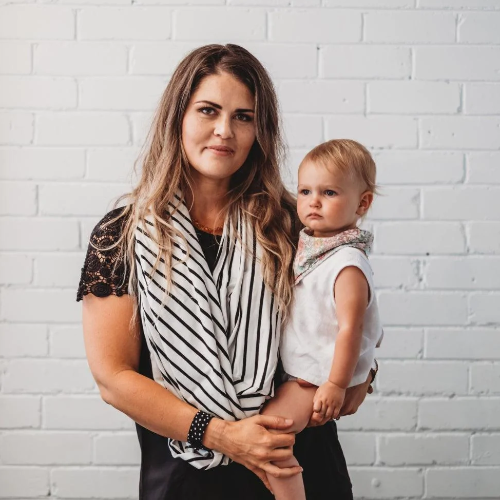
The Zoe Sage Five in One Multi Use Mama Cover is designed to work as a breastfeeding cover, a capsule cover, a trolley cover, a highchair cover, and a nursing scarf. One item replaces five. It is made from breathable fabric with a structured neckline that keeps the cover away from your baby's face, so you can see them clearly and they have full room to latch properly.
It packs flat, washes easily, and is light enough to keep in your bag every day without adding bulk.
Do You Actually Need One?
Honestly, no. A breastfeeding cover is never a requirement. Plenty of mums breastfeed in public without one, and that is completely valid.
But if the idea of feeding in public feels daunting, or if your baby is easily distracted during feeds, or if you simply want the option of more privacy, a well-made breastfeeding cover is a practical, low-cost tool that can make a real difference to your confidence and comfort.
The goal is always the same. A fed baby, a comfortable mum, and a feed that works. Whatever helps you get there is the right choice.
Browse the Zoe Sage range of organic nursing covers and multi-use mama covers, or reach out if you have questions about which option suits your stage of motherhood best.