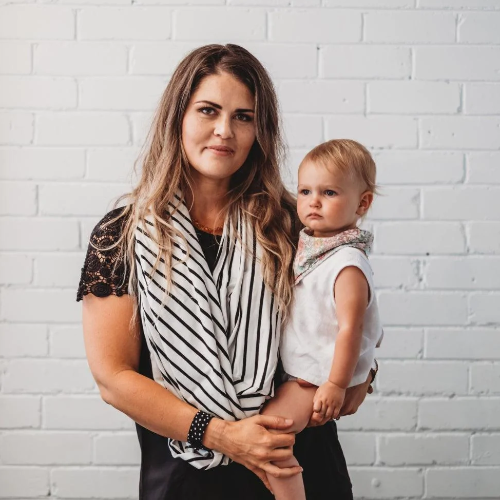
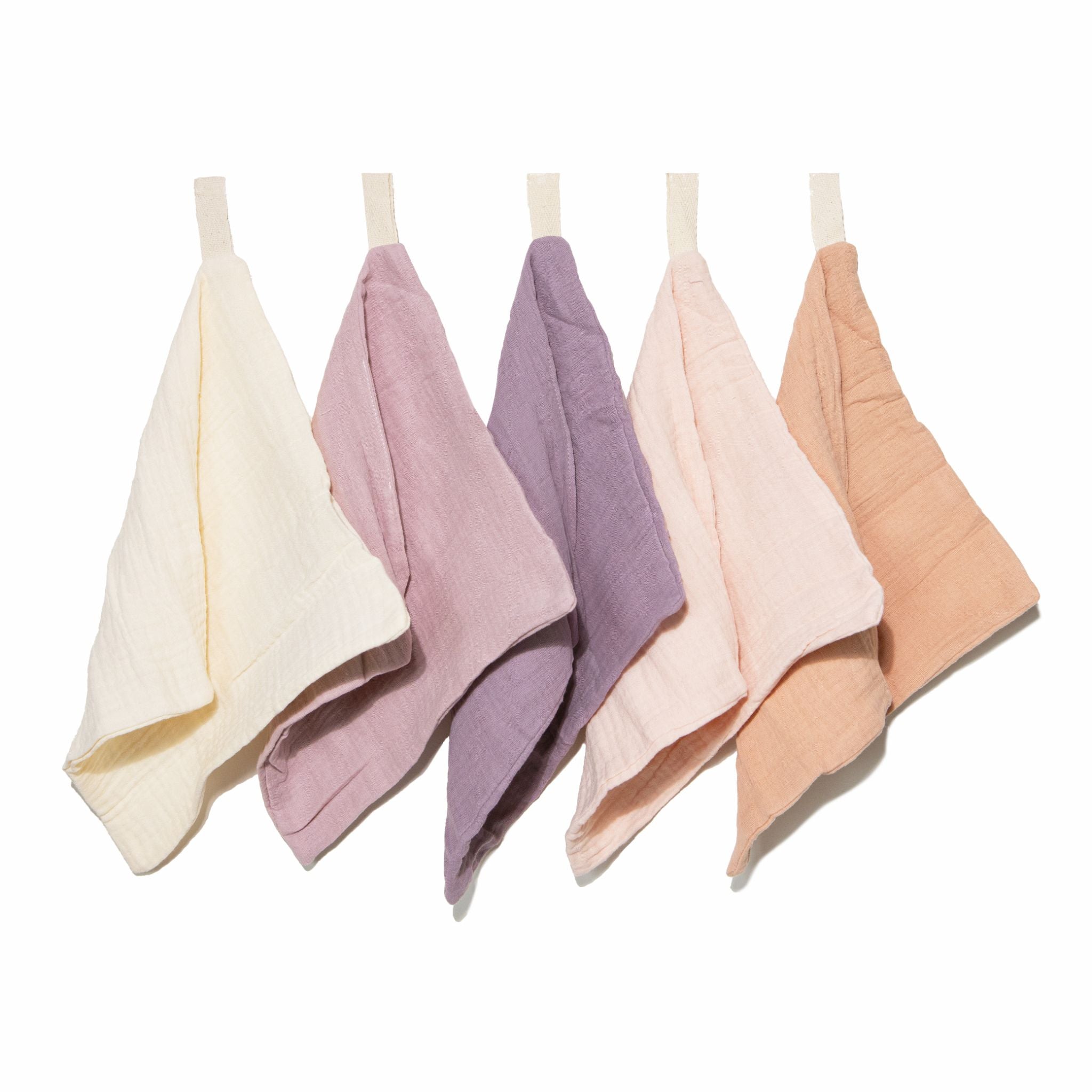

Trying to decide between a baby wrap vs carrier? You are not alone. Both keep your baby close and free your hands, but they work very differently. The right choice depends on your baby's age, your body, and how you actually spend your days.
Why Closeness Matters in the Early Months
Babies arrive expecting to be held. The womb was warm, snug, and full of familiar sound. The outside world is none of those things. Physical closeness helps settle newborns, supports temperature regulation, and strengthens the parent-child bond. It also makes feeding and settling much easier when you need your hands free.
According to Raising Children Network, skin-to-skin contact in the early weeks supports infant brain development and helps regulate a newborn's heart rate and breathing. Babywearing is one practical way to maintain that closeness throughout the day.
Baby Wrap vs Carrier: What Is the Difference?
A stretchy wrap is a long piece of fabric, usually around five metres, that you tie around your body before placing your baby inside. A structured carrier has buckles, straps, and a pre-formed seat. You clip it on and you are ready to go.
That difference sounds simple. In practice, it shapes when each one works best.
Stretchy Wraps
- Best for newborns and babies up to around 6 months or 8 kg
- The fabric molds to your baby's body and yours
- Supports the natural froggy leg position recommended for healthy hip development
- Takes practice to tie correctly, but most parents get confident within a week
- Lighter and easier to pack than a structured carrier
- Can feel warm in Australian summers, so fabric choice matters
If you want to start babywearing from birth, a stretchy wrap is usually the gentler starting point. Our wraps are made from soft, breathable fabric that keeps air moving against your baby's skin, which matters a lot during warm months.
Structured Carriers
- Suitable from around 3 to 4 months, or from newborn with an infant insert
- Faster to put on once you know the buckles
- Better weight distribution for longer carries and heavier babies
- More supportive for your back and shoulders as your baby grows
- Works well for toddlers who still want to be carried sometimes
- Bulkier to pack in a nappy bag
Which One Is Right for a Newborn?
For the first few months, most parents find a stretchy wrap easier. The soft fabric holds a newborn snugly without any rigid panels pressing against tiny limbs. The tied fit adjusts to different body shapes, which is useful if you and your partner share carrying duties.
The key safety rule for any carrier or wrap is the TICKS checklist: Tight, In view at all times, Close enough to kiss, Keeping chin off chest, Supported back. Red Nose Australia has a clear guide to safe babywearing positions worth bookmarking before you start.
Once your baby has stronger neck and core control, usually around four to six months, a structured carrier becomes a more practical everyday option. Many families use both: a wrap in the early newborn phase, then transition to a carrier as their baby grows.
Practical Considerations Before You Buy
Think about where and how you will actually use it. Heading to a market or a beach walk? A stretchy wrap packs small and is easy to wash. Doing longer hikes or airport runs with a heavier baby? A structured carrier with padded shoulder straps will serve your back better.
Consider the Australian climate too. A wrap made from moisture-wicking, breathable fabric keeps both of you cooler than a thicker option. If you are planning daycare drop-offs and pickups, a quick-clip carrier is faster in a car park than re-tying a wrap. Speaking of staying organised for daycare, it helps to have the rest of your kit sorted too. This daycare and travel bedding checklist covers what to pack for cot naps away from home.
Sizing is another thing to think through early. Babies outgrow things faster than expected, and it is worth knowing the signs before it becomes a problem. If you are also navigating clothing sizes right now, our guide on knowing when to move up a clothing size takes the guesswork out of it.
Do You Need Both?
Not necessarily. If budget is a factor, start with a quality stretchy wrap for the newborn phase. It will carry you through the first six months and beyond for many families. If you want one option that grows with your baby from birth to toddlerhood, a structured carrier with a newborn insert is worth the investment.
Some parents also find that babywearing influences their broader settling routine. If you are working through sleep transitions at the same time, our article on moving from swaddle to sleep bag is a helpful next read.
Browse our range of baby wraps and carriers to find the right fit for your family's stage and lifestyle.